


Standards, approvals, and hands-free communication shaping safer operations across rail, construction and aviation
That shift is being felt differently across sectors, but the direction of travel is the same. In aviation, continued engagement at international safety forums and growing attention on operational risk underline the need for dependable, fatigue-reducing communication. In rail and construction, the emphasis is increasingly on hands-free, cab-based communication systems that support drivers, operators, and plant users without adding complexity or reliance on wearable headsets.
Whether inside a rail cab, operating construction plant, or supporting aircraft movements airside, the expectation is clear: safety-critical communication must be intuitive, always available, and designed for real operating environments — not ideal conditions. This month’s update brings those developments together, exploring how standards readiness, industry approvals, and practical deployment across multiple sectors are shaping the next phase of safer operations.
Strengthening Safety-Critical Aviation Engagement Across the Asia-Pacific
Working alongside Pacific Aviation Consultants, led by aviation industry specialist Derrick Ogden, dBD Communications is strengthening its aviation engagement across the Asia-Pacific region with a clear focus on operational understanding, local presence, and practical safety outcomes.
The partnership reflects a shared belief that safety-critical communication works best when it is supported by people who understand the realities of ground handling environments first-hand. From regulatory nuance to the pressures of live, time-critical operations, local insight plays a vital role in ensuring communication systems are deployed, supported, and used effectively.
Rather than approaching the region from a distance, this collaboration enables closer, more meaningful engagement with operators across Asia-Pacific, ensuring conversations are grounded in real operational challenges rather than assumptions. It also reinforces dBD Communications’ long-standing approach to aviation: delivering proven duplex communication systems alongside expertise that extends beyond the technology itself.
As safety expectations continue to evolve globally, partnerships such as this help turn intent into action — combining globally trusted communication solutions with experienced regional representation to support clearer, more consistent, and safer operations. For readers who would like to explore the full announcement and partnership details, the complete press release is available to read here.

Engaging in the Global Aviation Safety Conversation at GHI
This month, dBD Communications continues its active engagement in the global aviation safety conversation through its presence at the GHI Safety Conference, with CEO David O’Connell contributing directly as a speaker.
David’s involvement reflects a practical, experience-led approach to aviation safety, drawing on lessons from live operational environments where communication plays a critical role in managing risk. His contribution focuses on how safety-critical communication systems can support clearer decision-making, reduce fatigue, and improve consistency in complex ground handling settings — particularly where pressure, noise, and coordination challenges are part of everyday operations.
Rather than approaching safety as a theoretical exercise, this perspective is grounded in real-world deployment across aviation, rail, and construction. It highlights the importance of communication tools that integrate naturally into existing workflows, supporting frontline teams without adding complexity or reliance on constant manual interaction.
By taking an active role on the conference stage, dBD Communications continues to position itself not just as a technology provider, but as a contributor to industry thinking — ensuring that the evolution of safety-critical communication is informed by practical experience, operational reality, and the needs of the people using these systems every day.


From Safety Conversations to Safer Cab Environments
The themes being discussed on the GHI stage point to a clear operational reality: in safety-critical environments, communication must work with the operator — not compete for their attention. Across rail, construction, and aviation, cab-based communication is increasingly recognised as a practical way to reduce distraction, minimise fatigue, and maintain clear, always-available contact in complex operating environments.


Hands-Free, Cab-Based Communication Designed for Real Operations
In cabs where operators are already managing multiple tasks, visibility demands, and environmental noise, wearing a headset is not always the safest or most practical option. Cab-based duplex communication systems offer an alternative — enabling clear, hands-free communication without the need for a headset, while keeping operators focused on the task at hand.
Designed for use in real operating environments, these systems provide always-on, duplex communication that supports coordination without introducing headset fatigue or reliance on manual interaction. Audio is delivered through speaker-based interfaces, allowing operators to remain aware of their surroundings while maintaining clear contact with colleagues and control teams.
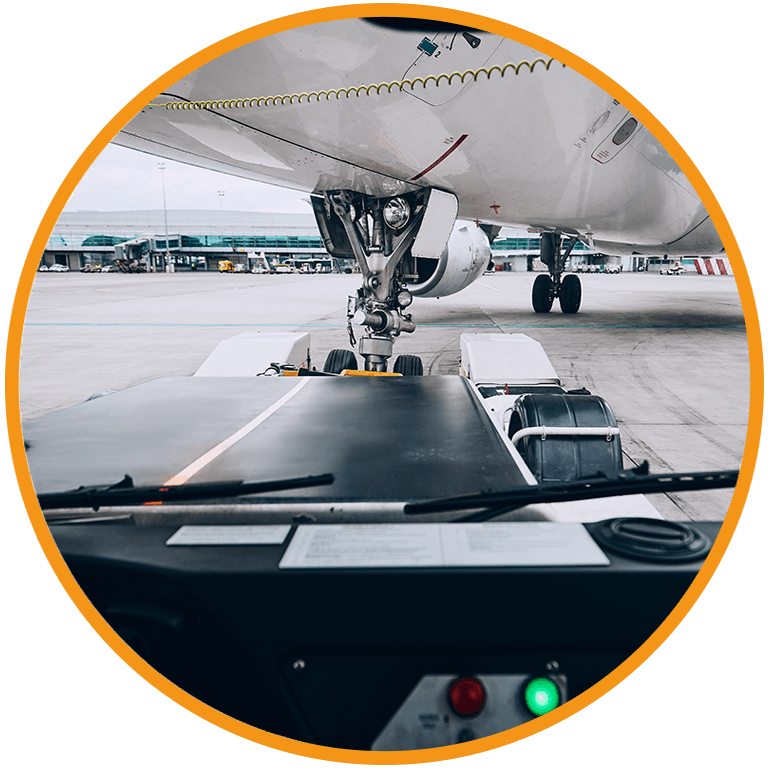
This approach is particularly relevant across rail and construction, where drivers and plant operators work from enclosed cabs for extended periods, but it also translates naturally to aviation operations such as pushback and de-icing, where clear communication from within the vehicle cab is critical to safe aircraft movement.
By removing unnecessary wearable equipment, cab-based systems help reduce physical fatigue and cognitive load, supporting safer decision-making over long shifts. The result is communication that is intuitive, reliable, and designed around how people actually work — not how systems expect them to work. Already approved, proven, and in service across the UK, cab-based communication solutions are helping organisations meet evolving safety expectations while improving day-to-day operational confidence.
Interested in exploring whether cab-based, hands-free communication could support your operations?
The dBD Communications team is available to discuss real-world requirements, operational constraints, and how proven cab-based solutions are already being used across rail, construction, and aviation: 📞 +44 (0)1268 724 617 | ✉️ sales@dbdcommunications.co.uk
NR/L2/OPS/301: From Interpretation to Implementation
Implementation is approaching — and for many organisations, the transition from interpretation to action is already underway. As industry guidance continues to evolve, the focus is shifting away from theoretical compliance and towards operational readiness.
Over recent months, much of the industry discussion around NR/L2/OPS/301 has focused on understanding what the standard does — and does not — require. That clarity has been essential. But as further updates to the standard are expected to be released in due course, the more important question becomes a different one: are communication practices aligned, understood, and ready for day-to-day operation under the updated requirements?
Readiness, Not Reaction: Preparing for the changes
For teams working in safety-critical rail environments, readiness is not just about technology. It’s about confidence — knowing that communication systems are appropriate for their role, correctly applied, and supported by accurate interpretation of the standard.
As the UK’s leading manufacturer and supplier of Network Rail Approved duplex communication solutions, dBD Communications continues to work closely with organisations reviewing their arrangements in line with NR/L2/OPS/301. The focus remains on calm, informed preparation — ensuring the right communication tools are used in the right contexts, without creating avoidable operational disruption.
If you’re currently reviewing your communication arrangements in light of NR/L2/OPS/301 and want to sense-check your readiness, our team is available to support practical, informed decision-making. Get in touch today!
📞 +44 (0)1268 724 617 | ✉️ sales@dbdcommunications.co.uk

Momentum with Clarity
Across rail, construction, and aviation, safety-critical communication is entering a more decisive phase. With standards approaching implementation, approvals in place, and proven systems already operating in live environments, the focus is now firmly on readiness and confidence — not further interpretation.
For dBD Communications, that means supporting organisations with practical insight and dependable communication solutions that work in the real world. As expectations continue to evolve, clear understanding and measured preparation remain the most effective way to move forward.
If you’d like to discuss upcoming requirements or explore how safety-critical communication can better support your teams, our team are always available to help: 📞 +44 (0)1268 724 617 | ✉️ sales@dbdcommunications.co.uk